Outdoor 2026: Bring Spring to Light

Well-designed lighting for modern outdoor spaces

Light shapes how outdoor spaces are experienced at night. It provides orientation, conveys a sense of security and makes architecture, paths and recreational areas usable and enjoyable. Modern outdoor lighting must do more than just provide brightness: it should have a targeted effect, conserve resources and adapt to real-life usage situations. SLV develops sophisticated lighting solutions that combine architecture, technology and practicality in a meaningful way.

Whether facades, paths, squares, vegetation or objects – every application has its own lighting requirements. OUTDOOR SELECTION '26 shows how these requirements can be met with functional, architecturally relevant and installation-friendly solutions. The result is outdoor spaces that are clearly visible, safe to use and sustainably lit, even at night.

Keep your eyes open when choosing outdoor lighting

You should keep an eye out for these technical icons

Architectural lighting

Conscious facade lighting

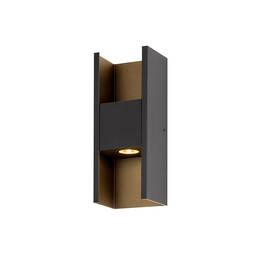
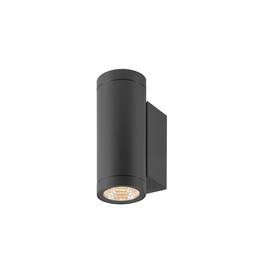
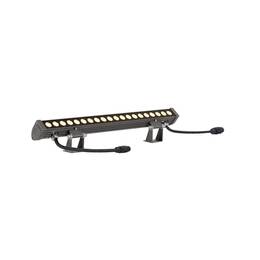
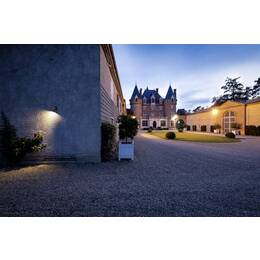
Facades shape the character of a building and determine its effect on the exterior space. At night, this effect is specifically designed using light: proportions, materials and structures can be made visible, structured and accentuated. Architectural exterior lighting is used as a plannable tool to make façades legible, aid orientation and clearly convey the architectural concept even after dark.

Depending on the architectural situation, two basic tasks can be distinguished: the uniform illumination of large vertical surfaces and the targeted structuring of facades.

Orientation in outdoor spaces

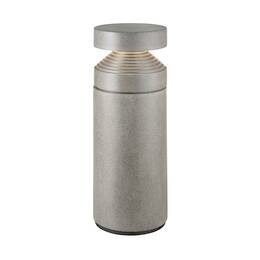
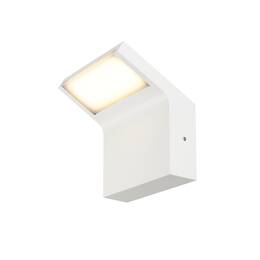
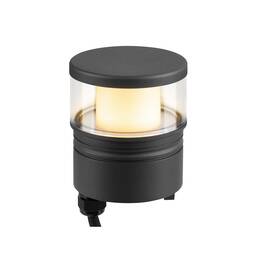
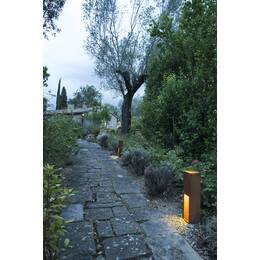
Orientation lighting in outdoor spaces fulfils several tasks at once: it ensures safety, supports wayfinding and creates a pleasant atmosphere. The decisive factor here is not maximum brightness, but clearly defined, glare-free light that intuitively guides users and structures the outdoor space.

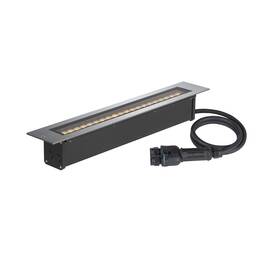
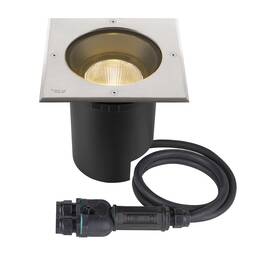
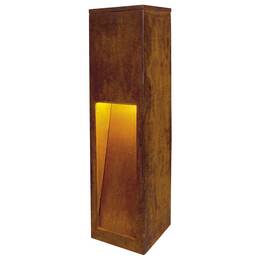
Horizontal surfaces such as paths, driveways or squares require a different lighting logic than recreational areas or areas with differences in height. Depending on the use, functional, minimalist luminaires are used as well as decorative lighting objects that add emotional appeal to the outdoor space.

Staging nature and objects

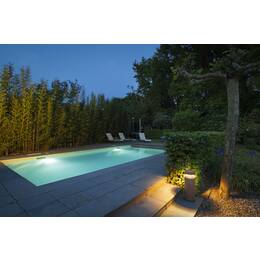
Trees, flower beds and objects that define a space lend outdoor areas structure, depth and identity. While their form, material and volume make an impact during the day, light takes over this task at night. The aim is not to achieve uniform brightness, but rather to use targeted accent lighting to highlight individual elements and subtly structure the outdoor space.

Good object lighting works with precise light control, warm light colours and deliberately limited radiation. This creates visual anchor points that aid orientation and at the same time create a calm, atmospheric lighting mood.

global.loading.alt_text
Please wait...